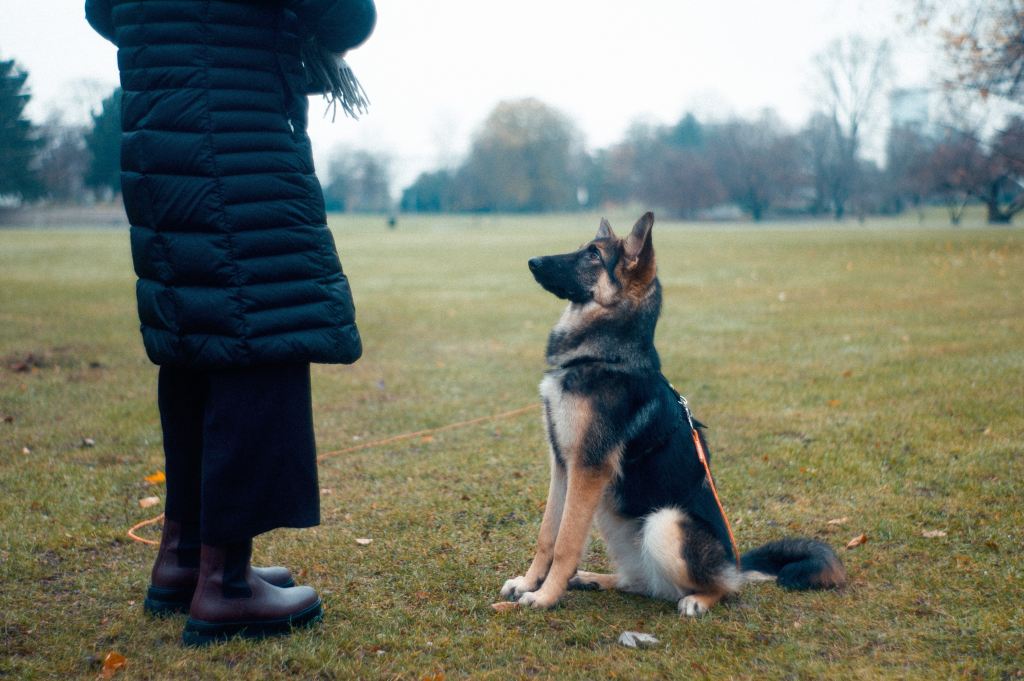
Dog whistles are a great training tool when used correctly; however, they can also be a hindrance to dog training when mistakes are made. In this article, we look at the do’s and don’ts of using a dog whistle for training.
Don’t use it too close to your dog
Dogs have very sensitive ears and incredible hearing; they can hear so much more than humans. Blowing a whistle close to your dog’s ear can hurt their ears and damage their hearing. Never blow a whistle at full strength when your dog is in close proximity. Always adjust how loud you blow the whistle depending on how far away your dog is from your location.
Do train your dog to understand the whistle
The noise of a whistle is just like any other noise to a dog without training; they won’t automatically understand what you want them to do when they hear the whistle. Training your dog to understand takes time and patience. A common command used with dog whistles is recall. The whistle will be heard over long distances, much further away than your voice, which can be beneficial on long country walks. Start off with short distances, treats and a long line; encourage your dog to come back to you when you blow the whistle and give them a treat as a reward. Once they start to understand, you can give them more freedom and distance before calling them back.
Do use whistles consistently
Your dog will need consistent training over many weeks or even months to reliably get the hang of coming back when the whistle is blown. You need to ensure that you stay on top of your training, and don’t forget to take the whistle out with you on your walks. Daily practice will ensure your dog gets better at this skill and continues to respond when you blow the whistle. If your dog stops paying attention to the whistle, you may need to take things back a step and reintroduce a long line and treats.
Don’t switch between different whistles
If you start out using a plastic dog whistle, continue using this same whistle as much as possible. This will prevent any confusion and ensure your dog understands exactly what you’re asking of them. Changing the whistle that you’re using might cause confusion for your dog unless you’re teaching them a different behaviour for each whistle.
Do use the same whistle call
You can make many different sounds with a single whistle; changing the sound you make can confuse your dog. You need to remain consistent with the noise you use to get them to come back. Whether this is one long continuous whistle or several short pips of the whistle, by doing this, you can also introduce new commands with different sounds of the whistle. These commands could be to sit or to direct your dog to go a different way; just make sure you’re clear about what each sound means.
Don’t make the training session too long
If you try to train your dog for several hours, it’s likely that they will become bored and stop paying attention. This is especially true with young dogs and puppies. Keep their training sessions short and regular. A good 5-10 minute training session each day can be more beneficial than an hour-long session weekly. Keep things interesting during training, and make sure you allow your dog some free time afterwards to relax and enjoy being a dog.
In conclusion, using a dog whistle can be a great tool for training your furry friend, but it requires proper usage and consistency. Always ensure that you use the whistle at an appropriate distance, train your dog to understand the whistle, and use it consistently. Remember to avoid switching between different whistles or changing the sound of the whistle call, as this can confuse your dog. Finally, keep the training sessions short and interesting for your dog, and allow them some free time to relax and enjoy their doggy life. With these tips in mind, you can use the dog whistle effectively to train your dog and build a strong bond with your furry friend. Learn more about dog training.

