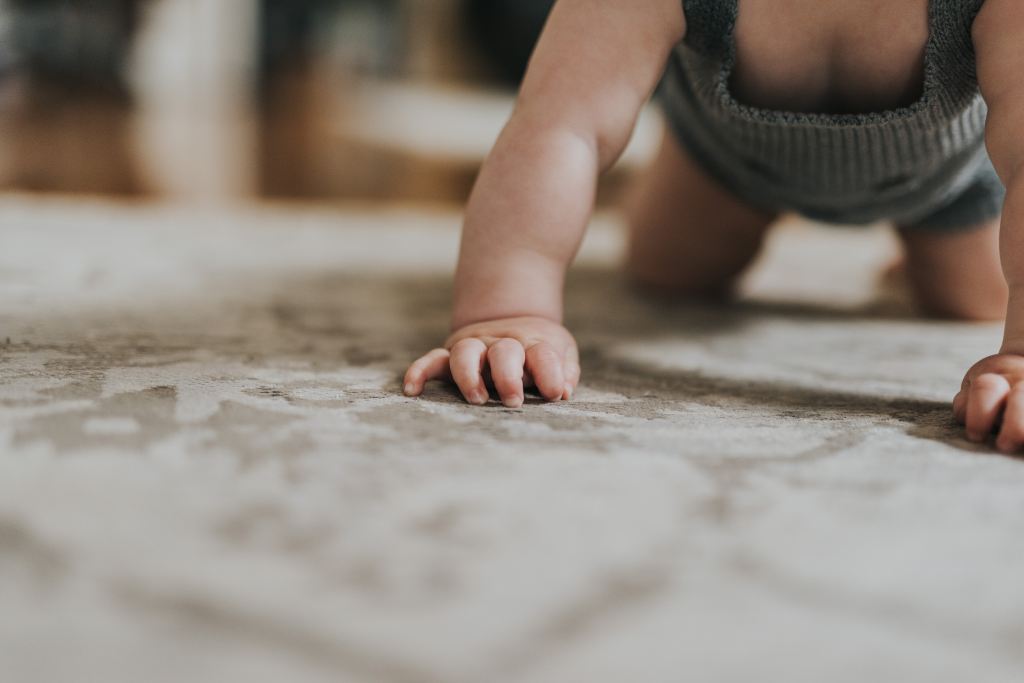
Learning to walk is an exciting milestone in your baby’s development. This may happen at any point around the 10 to 18-month mark; however, it is essential to remember that each baby is unique, and their journey to walking unfolds at its own pace. That said, there are numerous ways in which you can encourage your baby to explore their surroundings in a way that benefits the process of learning to walk. Read on to find out how you can create a safe and supportive environment for your baby to strengthen their muscles, improve their coordination and make the transition from crawling to walking.
Take Things Slowly
Each baby takes to talking at their own pace. While some babies may be raring to go as soon as they are able, others may be more focused on other areas of their development. Your baby may acquire the strength and coordination they need to walk much sooner or later than other children their age. While you may be worried that your baby is a late bloomer, you can rest assured that some perfectly healthy babies don’t start walking until they are 18 months old. However, if your baby’s inability to walk or meet other milestones is a cause for concern, contact your paediatrician or GP for advice.
Baby-Proof Your Home
While learning to walk, your baby will sustain plenty of bumps, scrapes and falls as their muscles develop and they experiment with different ways of moving. While you may want to wrap your little one in cotton wool, accidents are all part of the journey – babies are resilient and much tougher than you might think. That said, you can minimise the risk of bruises and grazes by baby-proofing your home. Cover sharp corners and edges with cushioned materials like tennis balls and pool noodles. You may also want to fit baby gates to keep your curious little one out of hazardous areas like the kitchen and stairwell.
Support Their Trunk
Scaffolding is the name given to the process of helping young children accomplish tasks and milestones. For example, scaffolding can be applied to helping your baby walk by holding them up, granting them the opportunity to acquire balance and coordination in a safe, controlled environment. Instead of holding your baby upright by their hands, support their trunk – this will help them develop stability and teach them how to walk using their feet rather than just their toes. You can also apply scaffolding by briefly letting them go so they can learn how to balance without relying on your support.
Practise Cruising
Cruising is an essential part of learning to walk, when your baby will use household objects like chairs and tables to support themselves as they shuffle from one area to the next. This transitional activity helps strengthen your baby’s hip abductors and leg muscles, so providing them with plenty of cruising opportunities can be highly beneficial to their learning journey. Provide plenty of support objects ideal for cruising (i.e. no sharp corners or edges). Play kitchens and push toys designed specifically for new walkers will also give your baby a helping hand.
Introduce Them To Shoes
Your baby will not need shoes until they start walking. However, the time to swap their baby booties for a pair of proper shoes will soon come. After all, they will need shoes for traversing exciting new terrains like grass, gravel and snow. Some babies take to wearing shoes much more willingly than others. Some are notorious for pulling their shoes off once your back is turned – not ideal when you’re out and about and cannot locate them. Ensure your little one’s shoes fit them snugly and comfortably, and get them re-measured every 2-3 months. Here is a helpful guide for choosing your baby’s first pair of shoes.
Give Them Plenty Of Praise
Positive reinforcement will help your baby achieve numerous milestones. Recognising your little one’s effort and achievements will boost their confidence and encourage them to keep trying. Babies can be incredibly sensitive and receptive to the emotions of their caregivers, so make sure you tackle their walking journey with patience, positivity and enthusiasm. Make the process fun for them by playing games and singing songs as they slowly become stronger and more confident with each step.
 Filmly